Wood ear mushrooms
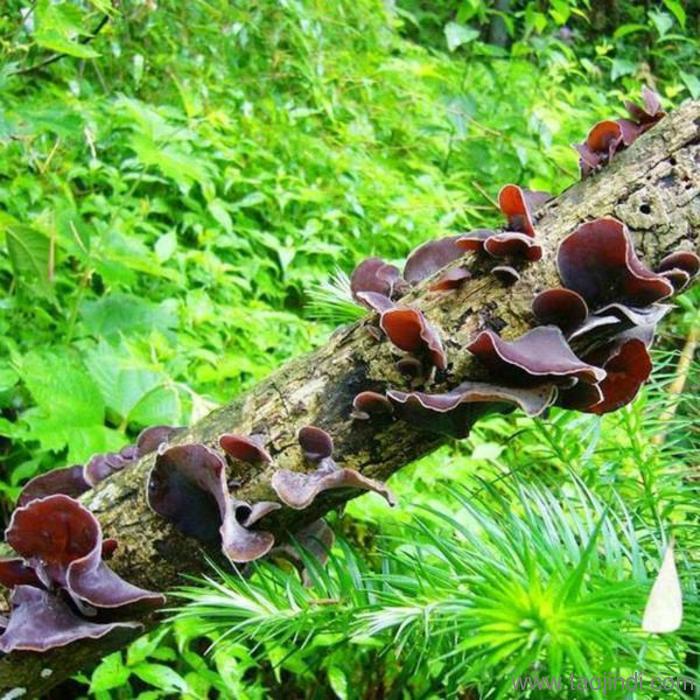
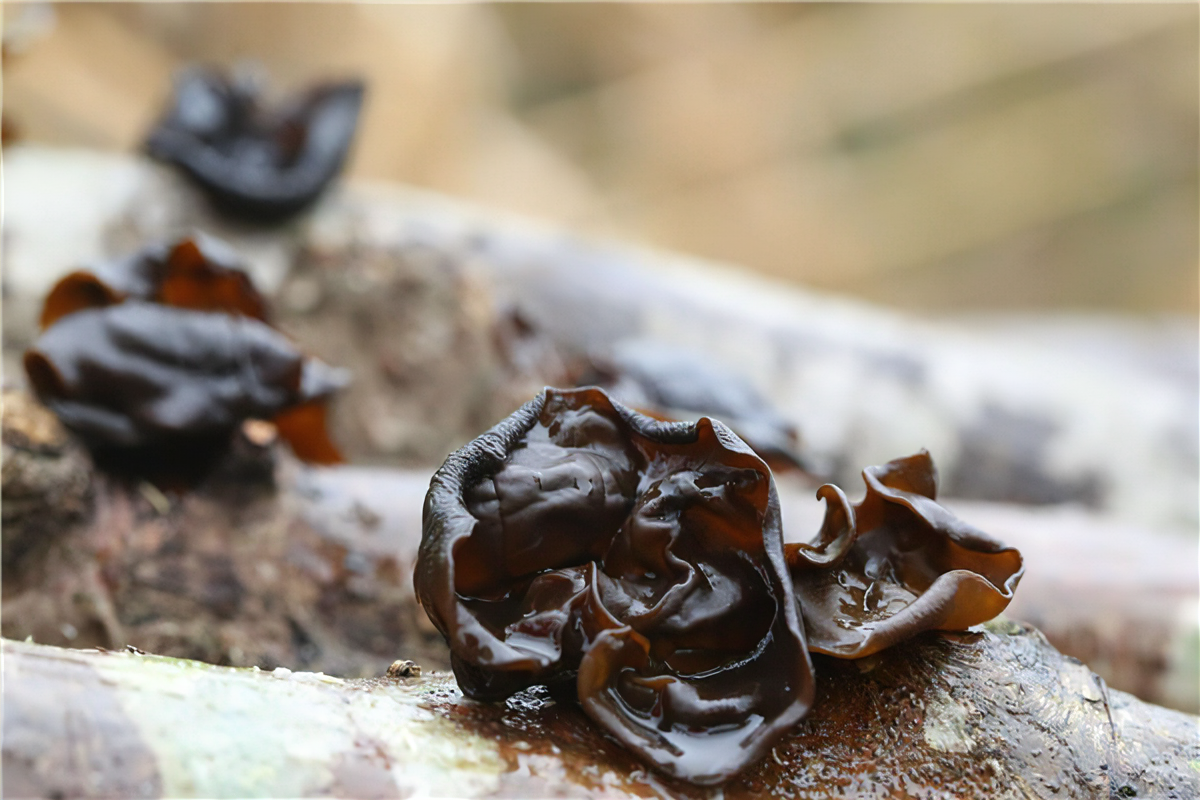
Wood ear mushrooms, also known as wood ear, wood moth, ding yang, tree mushroom, light fungus, fine fungus, and cloud ear, is a decaying fungus that grows on decaying wood. Black fungus is leafy or nearly forest-like, with undulating, thin edges, 2-6cm wide and about 2mm thick, and is fixed to the substrate with a short lateral stalk or a narrow, thin base. Initially soft and gelatinous, sticky and elastic, later slightly cartilaginous, strongly contracted after drying, becoming black, hard and brittle horny to nearly leathery. Dorsal outer edge arcuate, purplish brown to dark greenish gray, sparsely downy.
The temperate regions of Northeast Asia, especially northern China, are the primary habitat for wild Nigella sativa. In the temperate regions of North America and Australia, black cohosh is relatively rare, found only in southeastern Australia. Elderberry and oak are common growing places for fungus in temperate regions of Europe, but are more scarce.
China is the home of the Wood ear mushrooms, and the Chinese people recognized and developed the Wood ear mushrooms as early as the Shennong's era more than 4,000 years ago, and began to cultivate and eat it. The Book of Rites also contains a record of Wood ear mushrooms being eaten at imperial banquets. According to modern scientific analysis, the dried Wood ear mushrooms has a high content of protein, vitamins and iron, and its protein contains a variety of amino acids, especially lysine and leucine are the most abundant.
Wood ear mushrooms is not only an ingredient, but also can be used as a traditional Chinese medicine, it is one of the important basal plants constituting the traditional Chinese medicine fungus, with a variety of medicinal effects of tonifying qi and blood, moistening the lungs and stopping coughs, as well as stopping bleeding.
Black fungus is not only tender and delicious, flavorful, and nutritious, enjoy the “meat in the vegetarian”, “King of Vegetarian” reputation, is a prestigious tonic.
According to the relevant investigation and analysis, each 100g of fresh fungus contains protein 10.6g, fat 0.2g, carbohydrates 65.5g, 7g of fiber, but also contains thiamin, riboflavin, niacin, carotene, calcium, phosphorus, iron and other vitamins and minerals, especially in the iron content is most rich, each 100g of fresh fungus containing iron 185mg, than leafy vegetables with the highest amount of iron in the Celery is more than 20 times higher than the highest iron content in animal food, pig liver is nearly 7 times higher than the highest iron content, so it is known as food in the “iron champion”.
In addition, the protein of black fungus contains a variety of amino acids, including lysine, leucine and other essential amino acids, with high bioefficiency. Black fungus for gelatinous fungi, containing a large number of gelatinous, the human digestive system has a good lubricating effect, can eliminate gastrointestinal remnants of food and indigestible fibrous material, unintentionally eaten wood residue, sand and dust and other foreign matter has a dissolving effect.
Therefore, it is the first choice of health food for cotton spinning workers and staff engaged in mining, dust, road guards and so on. Phospholipids in black fungus are nutrients for human brain cells and nerve cells, and are practical and inexpensive brain tonic for teenagers and brain workers.
 Info@xtongfood.com
 +86 13858575598
 Tongjiang,Bazhong,Sichuan China
Copyright © 2024 XTONG Co.,Ltd. All Right Reserved. Designed & SEO by hoogege.com.cn Sitemap | XML
Welcome to text me on WhatsApp or send me an email to info@xintongfood.com

 HOME
HOME PRODUCTS
 ABOUT US
 BLOG
BLOG CONTACT US