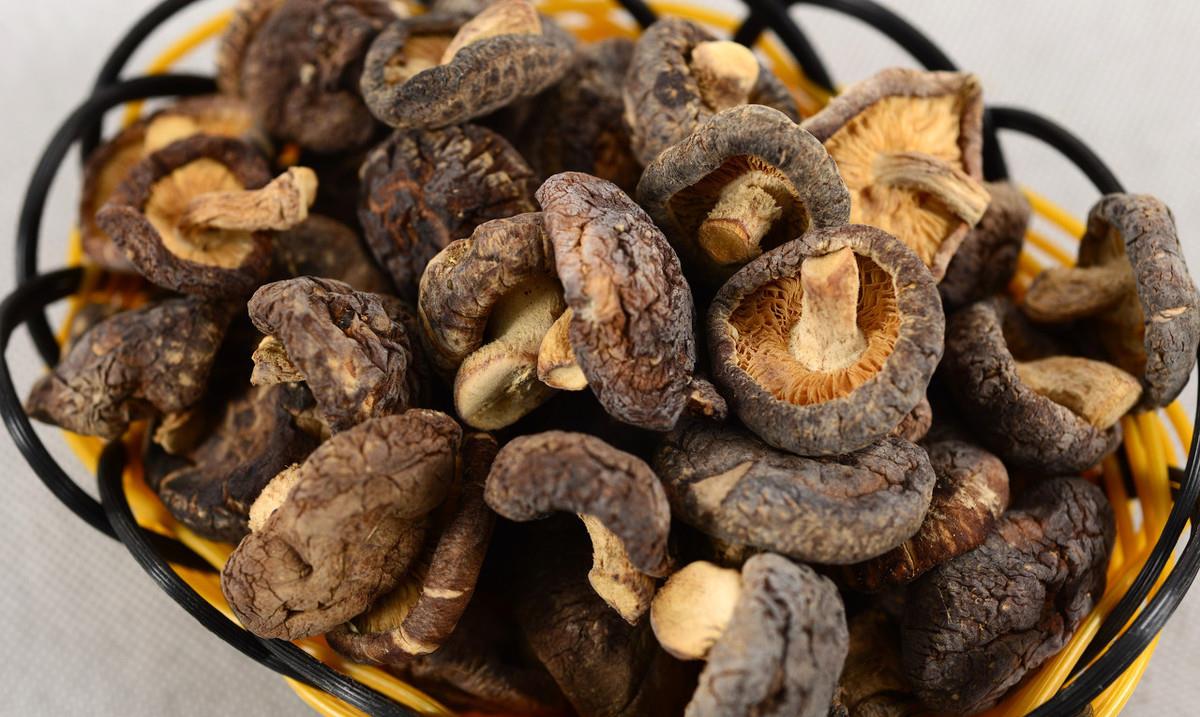
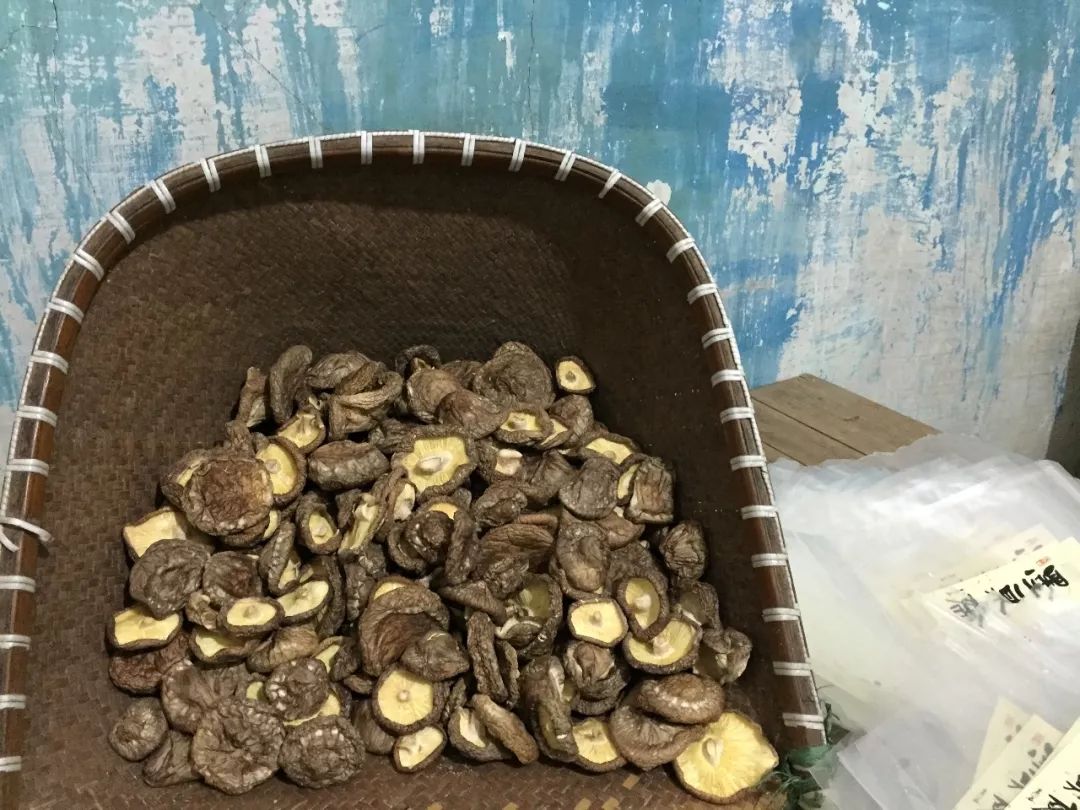
Shiitake mushroom
Shiitake mushroom belongs to the class of Stamenomycetes, the order of umbrella fungi, the family of Mushrooms, the genus Shiitake, the scientific name of Lentinus edodes, originated in China, is the second largest mushroom in the world, and is also the precious edible fungus of China's long-standing reputation. It is the second largest mushroom in the world and a valuable edible fungus with a long and prestigious history in China. Shiitake is also a famous medicinal mushroom in China. Chinese medicinal scientists have written about the medicinal properties and functions of shiitake mushrooms throughout the ages.
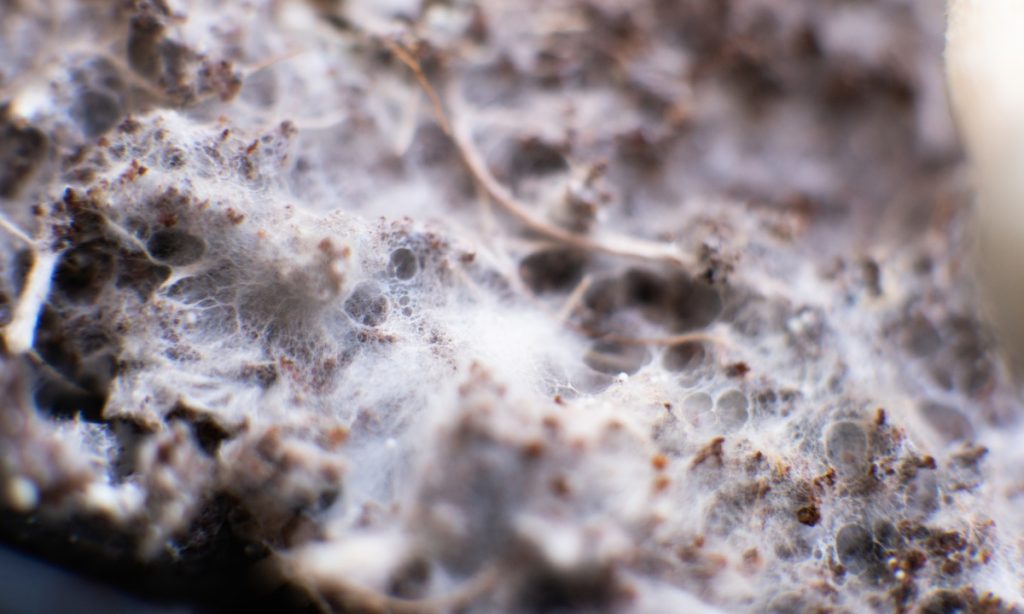
The spores of the shiitake mushroom germinate into mycelium, which grows and develops and differentiates to form a fruiting body. The spores then form countless spores, which is the life history of the shiitake mushroom. Under natural conditions, it takes about 8-12 months or even longer to complete this life history, but by using wood chips for artificial cultivation, its life history is shortened by 3-4 months, which greatly shortens the cycle of shiitake production.
There are three main stages in the generation of shiitake mushrooms.
Stage 1: Spores germinate into single-celled multinucleate mycelium under certain temperature and humidity, and later produce septa to form multicellular mononuclei. Since shiitake mushrooms belong to heterozygous union with sexual difference, the mononucleate mycelium germinated from single spore is infertile and cannot differentiate to form shiitake mushroom substrate.
The second stage: when the mononuclear mycelium grows to a certain stage, two mononuclear mycelium with different “sexes” will produce protrusions in the near part, and the protruding part will contact with each other after elongation, so that the two cells with different sexes can communicate with each other, and the protoplasm will be fused together, and the nucleus of one of them will be transferred to the other cell, which will complete the cooperation of the protoplasm and turn into a multicellular bilobed mycelium. Multicellular binucleate mycelium, followed by locking union, this mycelium is also known as multicellular binucleate mycelium, it is thicker than the first mycelium, fast growth, strong vitality.
The third stage: when the binucleate mycelium grows and develops to a certain physiological stage after the lock-like union, it forms a very dense mycelial organization under appropriate conditions, forming the protoplast of the fruiting body, which further develops into mushroom buds and finally develops into fruiting bodies.
Geographical distribution
Mushroom has been cultivated in China for about 800 years, and it is the earliest country in the world to cultivate it. The earliest written record in China is Wang Zhen's “Book of Agriculture” in 1313 A.D.: “This is also the method of growing mushrooms in the mountains today. But take the sunny land, choose the appropriate wood (maple, tsubaki, quebracho, etc.) and cut it down, crush it with an axe, cover it with soil, and then after years of decay, blow and file it with mushrooms, spread it evenly in the can, and cover it with Artemisia leaves and soil. When watered with slop, the tree was hammered for a few hours, which was called “mushroom shock”. After the rain and dew, the weather is warming up, then the mushrooms are born. When the weather warms up after the rain and dew, the mushroom grows. At the end of the year, the seeds are left inside, and the mushroom grows again in the next year.” This is a brief description of the earliest cultivation of shiitake mushrooms by cutting down trees. The so-called “watering with slop” and “hitting the tree with a hammer” were the “water-soaking and wood-beating” of the mushroom farmers in the past.
Flavor elements
The precursor of shiitake acid, the main flavor substance of shiitake mushrooms, is a peptide consisting of an S-substituted L-cysteine sulfoxide conjugated to a γ-glutamyl group, and the initial enzyme reaction that produces flavor involves γ-glutamyltransferase, which produces the cysteine sulfoxide precursor (i.e., shiitake acid).
The shiitake acid is then subjected to the action of S-alkyl-L-cysteine sulfoxide cleaving enzyme to produce shiitake spirit. 1,2,3,5,6-Pentathiaheptane (commonly known as “shiitake spirit”, Lenthionine) is the most important flavor compound in shiitake mushrooms, however, due to its low stability, it is readily decomposed, and the decomposition products include However, due to its low stability, easy decomposition, and decomposition products including dimethyl disulfide and dimethyl trisulfide, its analytical content is relatively low. Volatile compounds containing eight carbons are also the most important flavor compounds in edible mushrooms.
They are all catalyzed by the enzyme linoleic acid fine fat oxidase and have a strong mushroom flavor. A number of other volatile compounds, including acids, ketones, esters, alkanes, olefins, and aldehydes, play a moderating synergistic or complementary role in shiitake mushrooms.
 Info@xtongfood.com
 +86 13858575598
 Tongjiang,Bazhong,Sichuan China
Copyright © 2024 XTONG Co.,Ltd. All Right Reserved. Designed & SEO by hoogege.com.cn Sitemap | XML
Welcome to text me on WhatsApp or send me an email to info@xintongfood.com

 HOME
HOME PRODUCTS
 ABOUT US
 BLOG
BLOG CONTACT US