Bamboo Fungus
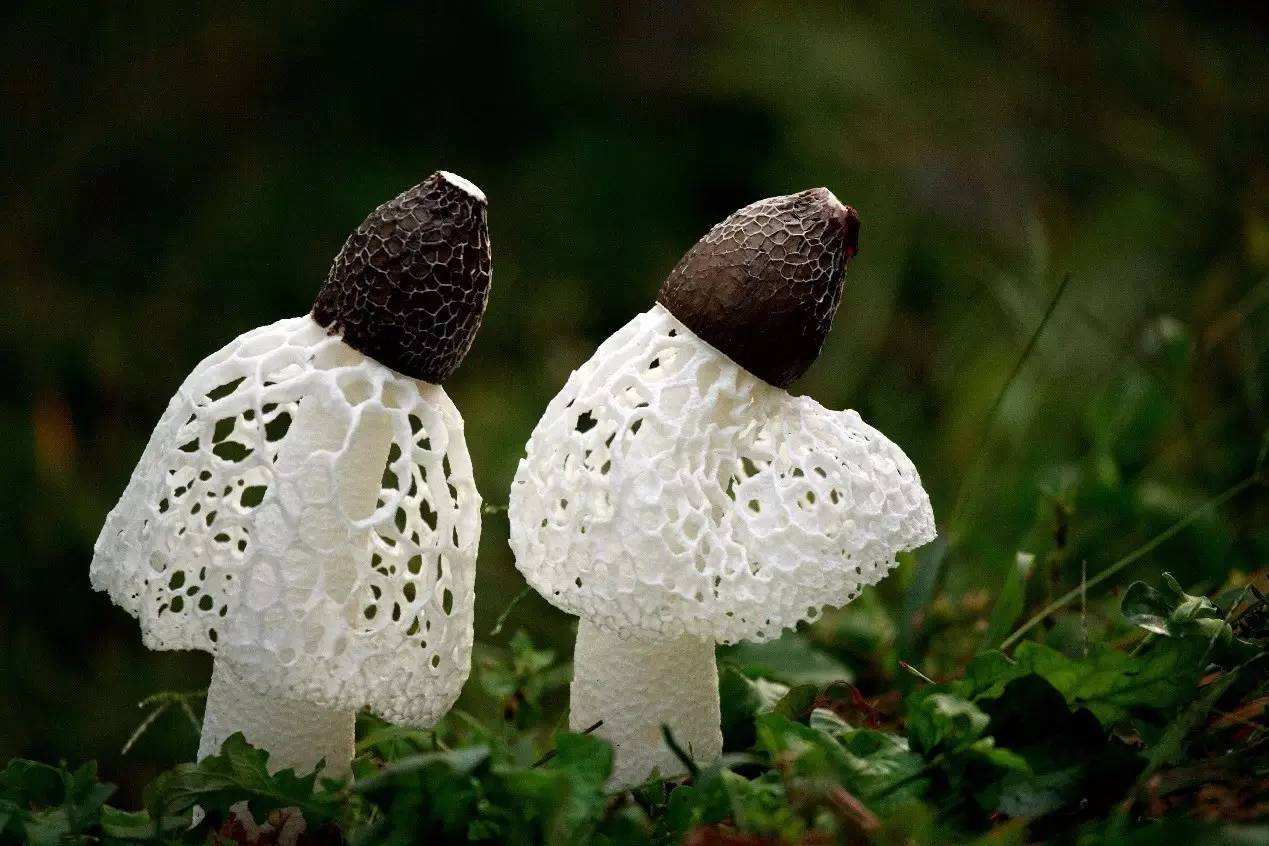
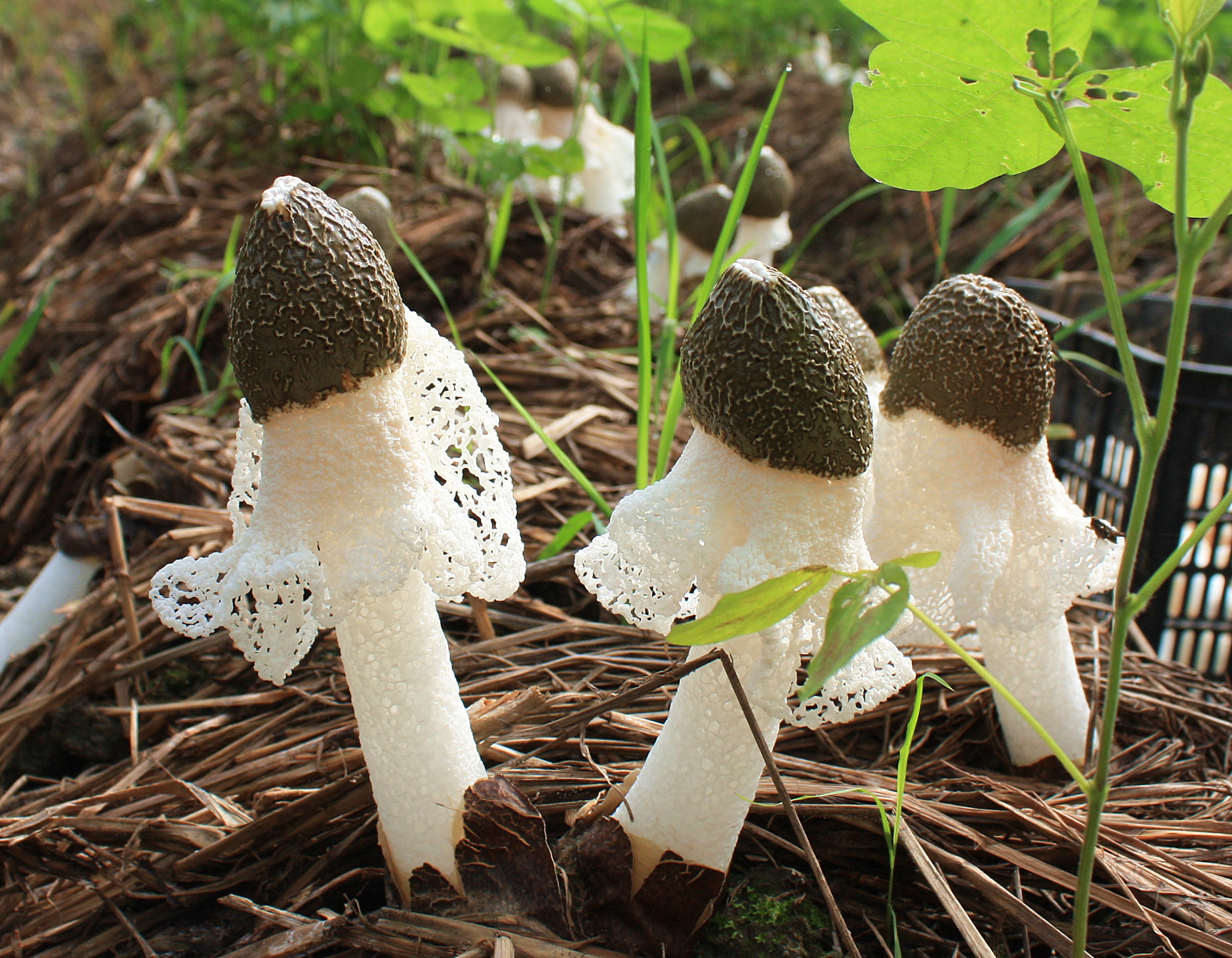
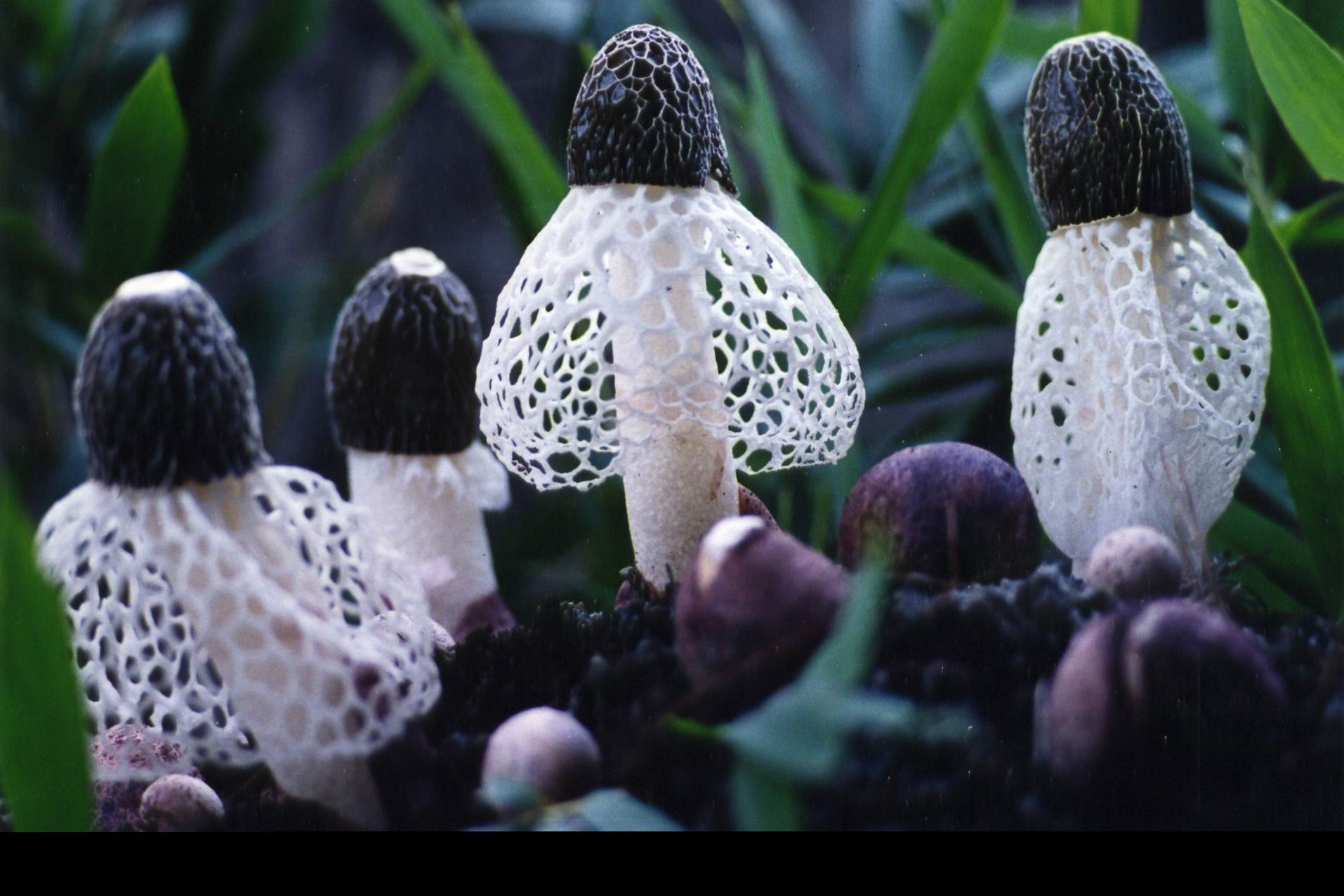
Bamboo fungus, also known as bamboo fungus and bamboo ginseng, refers to the species of the genus Ghost Pen of the family Ghost Pen, which is a kind of fungus parasitized on the roots of dead bamboo, originally belonging to the genus Bamboo Fungus and then changed to the genus Ghost Pen. It is often referred to as the “Snow Skirt Fairy”, “Flower of Mountain Treasures”, “Flower of Fungi”, and “Queen of Fungi”. The fungus is known as the “snow skirt fairy”, “the flower of mountain treasures”, “the flower of fungi”, “the queen of fungi”. Is parasitized in the withered bamboo roots of a cryptogamic fungus, the shape is slightly similar to the net-like dry white snakeskin, it has a dark green cap, snow-white cylindrical stipe, pink egg-shaped fungus, in the stipe at the top of a delicate white net skirt from the cap downward spread, known as the “snow skirt fairy,” ” The flower of the mountain treasures”, ‘the flower of the fungus’, ‘the queen of the fungus’.
Four species of bamboo fungus are common and available for consumption: long-skirted bamboo fungus (Phallusindusiatus), short-skirted bamboo fungus (Phallusduplicatus), spiny-toothed bamboo fungus (Phallusechinovolvatus), and red-toothed bamboo fungus (Phallusrubrovolvatus).
Bamboo fungus is found throughout the world, but is primarily native to the tropics. Bamboo fungus, on the other hand, tends to grow in warm and humid environments. Under suitable conditions, the fungus stalk stops elongating when it reaches a certain height, and the fungus skirt gradually unfolds downward from the cover. When the relative humidity of the air is 95%, the fungus skirt grows normally, and the skirt can not be normally unfolded when the temperature is low and the humidity is too low. At 4-5 pm, the spores on the cap of the fungus matured and began to autolyze, dripping to the ground, while the whole entity shriveled and fell down.
Bamboo fungus fruit entity is crisp and tender, sweet and fresh, unique flavor, as a dish, the crown in the fungus, can be called color, aroma, taste three great, is the famous feast on the mountain treasures; bamboo fungus also has a high medicinal value, the fruit entity contains a variety of enzymes and polymer polysaccharide, its polysaccharide is polysaccharide, can enhance the body's resistance to tumor cells, has a good anti-cancer, anti-cancer effect.
Morphological Characteristics
The nutrient body of Bamboo fungus is mycelium. It is formed by the germination of stramenospores to form tubular multinucleate filaments, each thin filament is called mycelium, which spreads and stretches in the medium and branches to form groups of mycelium, collectively known as mycelium. The mycelium of Dictyostelium has a diaphragm, which separates the mycelium into mononuclear or binuclear multicellular mycelium. Mycelium can decompose organic matter in the medium and absorb nutrients for growth and reproduction.
Mycelium grows in apical sections, but each cell has the potential to grow, so mycelium that has been cut off during inoculation can still continue to grow. The mycelium of Dictyostelium is usually colorless, but if stimulated by light, the mycelium will secrete some kind of pigment outside of the mycelium and appear pink or purplish-red, which is a sign to distinguish Dictyostelium from other edible mushrooms.
Growing Environment
The basal mycelium of the fungus is connected to bamboo whips and dead bamboo roots, while the fungus grows in a warm and humid environment. When the spores germinate to form mycelium, and obtain nutrition through the decomposition of the organic substances of bamboo, and enter the reproductive growth stage, the mycelium forms countless mycelium cords, and expands and develops into a node-shaped protocorm at its front end, and under the suitable conditions, the protocorm forms a fungus bud after more than a month's growth, which is shaped like an egg. When the top of the buds raised as peach-shaped, more in the morning on a sunny day by the raised part of the crack, the first exposed cap, mycorrhizal stipe extension, to a certain height at noon stipe will stop elongation, mycorrhizal skirt gradually unfolded downward by the cover, the relative humidity of the air for 95%, the mycorrhizal skirt of the growth of the normal, the temperature is too low and the humidity can not be normal when the skirt. At 4-5 pm, the spores on the cap of the fungus ripened and began to autolyze, dripping to the ground, while the whole substrate shriveled and fell down.
Growth Habits
The life history of Dictyostelium is characterized by the germination of tensile spores, the growth of mycelium and the development of zoospores, and the production of new spores. The sexual spores of Dictyostelium, the teliospores, are produced in the spore-producing tissues on the outer surface of the cap. When the cap of a mature mushroom bud breaks down, the cap extends for a few hours, the growth of the stalk stops, and the skirt is completely withdrawn, the spore-producing tissues disintegrate on their own, and the tambourine spores are released. Stretcher spore germination produces primary mycelium (monocotyledonous mycelium), the primary mycelium is more slender, two primary mycelium with different factors combine with each other to form secondary mycelium (bicotyledonous mycelium).
Dinucleate mycelium is thicker, growing vigorously and densely. Dinucleate mycelium continuously reproduces in the substrate, accumulates nutrients, forms mycelial cords, and extends to the surface of the soil. The apex of some of the mycelial cords that reach the surface of the soil expands and becomes an organized and specialized tissue, which means that they differentiate to form a protoplast - a young mushroom bud. The mushroom buds continue to develop and form the fruiting bodies. When the fruiting body is close to maturity, the two nuclei in the stretcher cells at the top of the fruiting layer undergo nuclear matings to form a diploid syncytium. The seed undergoes cell division. One of them is meiotic, with chromosomes halved to form a haploid zygote. Small peduncles grow on top and around the tambour, and each daughter nucleus enters a small peduncle and develops into a tambour spore at the upper end of each small peduncle. Electron microscope scanning observed that Dictyostelium short-skirt grows 5-8 também spores per também. Each Dictyostelium dictyostelium produces hundreds of millions of tanspores. The tensor spores are washed away by rain or spread by insects or animals, and new primary mycelium is sprouted in a new environment, and the cycle repeats.
 Info@xtongfood.com
 +86 13858575598
 Tongjiang,Bazhong,Sichuan China
Copyright © 2024 XTONG Co.,Ltd. All Right Reserved. Designed & SEO by hoogege.com.cn Sitemap | XML
Welcome to text me on WhatsApp or send me an email to info@xintongfood.com

 HOME
HOME PRODUCTS
 ABOUT US
 BLOG
BLOG CONTACT US