Bazhong Xintong Import and Export Co., LTD

Contraindications for consumption of fungus

2024-11-11
  • Contraindications for consumption of fungus

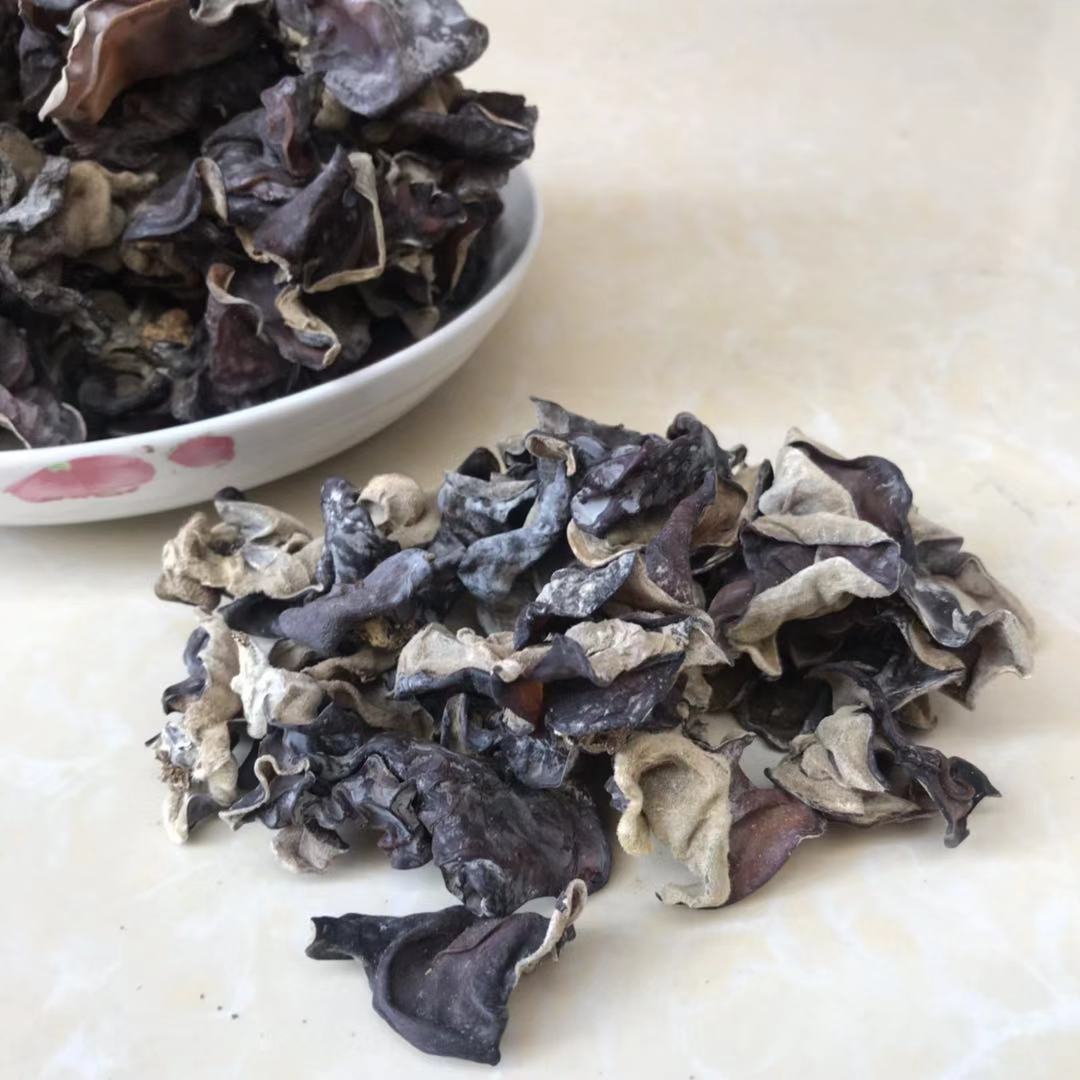
  • Mushrooms, the little black jewels commonly found in Asian cuisine, are not only known for their unique elasticity, but also loved for their rich nutritional value.More than just a tasty ingredient, fungus is rich in dietary fiber, protein, and vitamins, and is known to improve digestion, prevent constipation, and even strengthen the immune system.


  • The Most Critical Warning: Strictly Guard Against Bacillus cereus Toxin Poisoning This is the most crucial and dangerous aspect when consuming wood ear mushrooms. The Culprit: Wood ear mushrooms soaked for extended periods are prone to harboring a bacterium called “Bacillus cereus,” which produces the deadly toxin “bacillus cereus toxin.”

    Toxin Characteristics: Heat-Resistant: Washing, blanching, or high-temperature cooking cannot destroy its toxicity. Highly Toxic: Poisoning results in extremely high mortality rates, with no known specific antidote currently available. Symptoms: Nausea, vomiting, abdominal pain, bloating. Severe cases may develop jaundice, ascites, subcutaneous hemorrhage, convulsions, hematuria, melena, and other signs of liver/kidney failure, potentially leading to death.


    Safe Soaking Guidelines: Soak only what you need: Soak only the amount you plan to consume immediately. Avoid soaking large quantities for storage. Time Control: Soak in cold water for 1-2 hours only; never exceed 4 hours. Use shorter soaking times with warm water. Avoid Overnight Soaking: Never soak overnight (especially at room temperature in summer). Inspect Condition: Discard immediately if soaked mushrooms appear slimy, lack elasticity, or emit an off-odor (fishy or sour smell). Do not hesitate! Refrigerated Soaking: If advance preparation is necessary, soak in the refrigerator's cold storage compartment, but do not exceed 24 hours.

  • Cooking and Consumption Precautions
    Must be thoroughly cooked:

    Wood ear mushrooms are fungi containing trace toxins and have a tough texture. They must be fully heated and cooked before consumption. Do not eat them raw in salads or after brief blanching, as this may cause indigestion or photosensitive dermatitis.


    Avoid consuming with these foods:

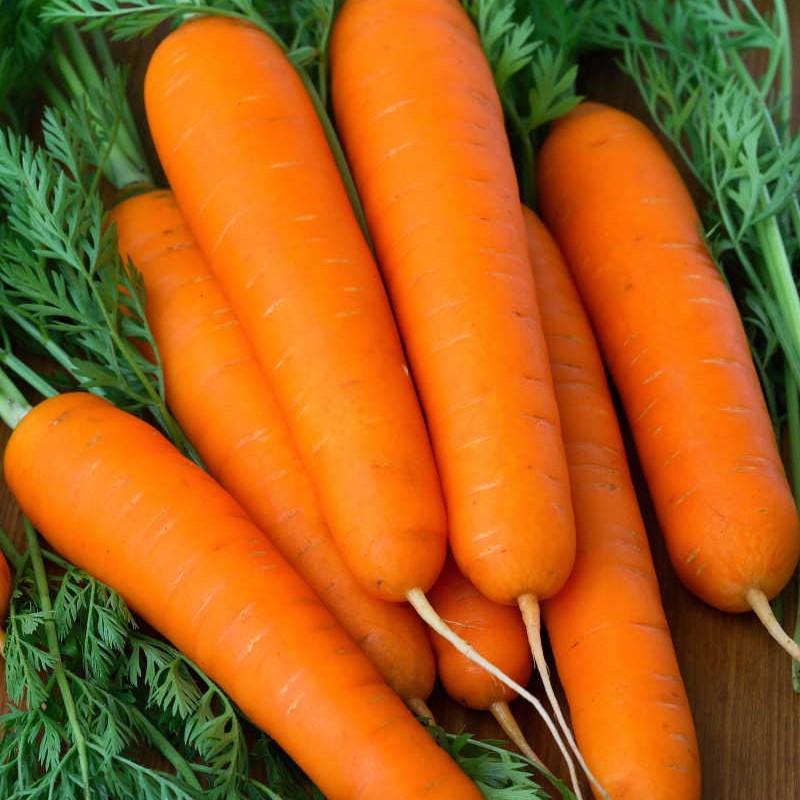
    Radish (white or green): Both wood ear mushrooms and radish are cooling foods. Consuming them together may cause diarrhea in individuals with weak digestion.

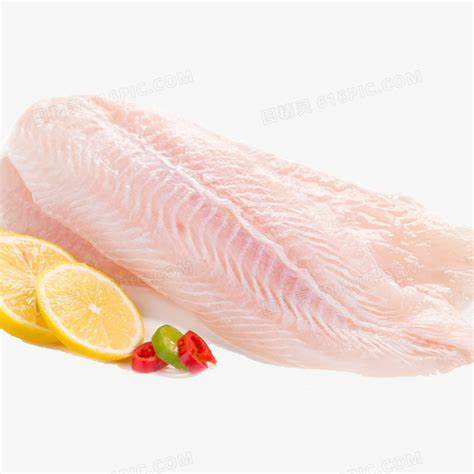
    Freshwater/Sea Snails: From a traditional Chinese medicine perspective, both are considered cold in nature and contain complex biological components. Combining them may hinder digestion.

    Wild Duck: Similarly, pairing cold foods may intensify gastrointestinal irritation.

    Ophiopogon (McDong): These ingredients are contraindicated in traditional Chinese medicine due to conflicting properties.
  • Special Considerations for Specific Populations
    The following recommendations are based on modern nutritional science and medical consensus, addressing the physiological characteristics and risks of different groups.

    Individuals with Weak Digestive Function

    Includes: the elderly, infants and young children, patients in postoperative recovery, and those with chronic gastrointestinal conditions (such as irritable bowel syndrome or inflammatory bowel disease).

    Reason: Wood ear mushrooms are rich in insoluble dietary fiber and have a tough texture. While they promote intestinal motility, excessive consumption or inadequate chewing/cooking can cause significant mechanical irritation to the gastrointestinal tract, potentially leading to bloating, abdominal pain, and indigestion.


    Individuals with Bleeding Tendencies or Taking Anticoagulants

    Including: Patients with bleeding disorders such as hemophilia or severe thrombocytopenia; individuals taking anticoagulants or antiplatelet drugs like warfarin, aspirin, or clopidogrel.

    Reason: Preliminary studies suggest components in wood ear mushrooms, such as adenosine, may inhibit platelet aggregation. Theoretically, high intake could slightly increase bleeding risk.


    Individuals with allergic constitutions

    Includes: Those with a history of allergies to mold or other fungal foods.

    Reason: Wood ear mushrooms belong to the fungal kingdom and may trigger rare allergic reactions.

    Individuals with Impaired Kidney Function

    Includes: Patients with chronic kidney disease, especially those requiring potassium restriction.

    Reason: Wood ear mushrooms are a significant source of potassium. For individuals with impaired kidney function and reduced potassium excretion, excessive intake of high-potassium foods may lead to hyperkalemia—a dangerous condition that can cause arrhythmia or even cardiac arrest.

Why Choose XTONG

CONTACT US

  • Info@xtongfood.com
  • +86 13858575598
  • Wechat: +86 13858575598
  • Tongjiang,Bazhong,Sichuan China

Copyright © 2024 XTONG Co.,Ltd. All Right Reserved. Designed & SEO by hoogege.com.cn Sitemap | XML

×

Hello!

Welcome to text me on WhatsApp or send me an email to info@xintongfood.com

× Text me on whatsapp