Chinese Delicious Hot Pot
Hot Pot: A Combination of Taste and Emotion
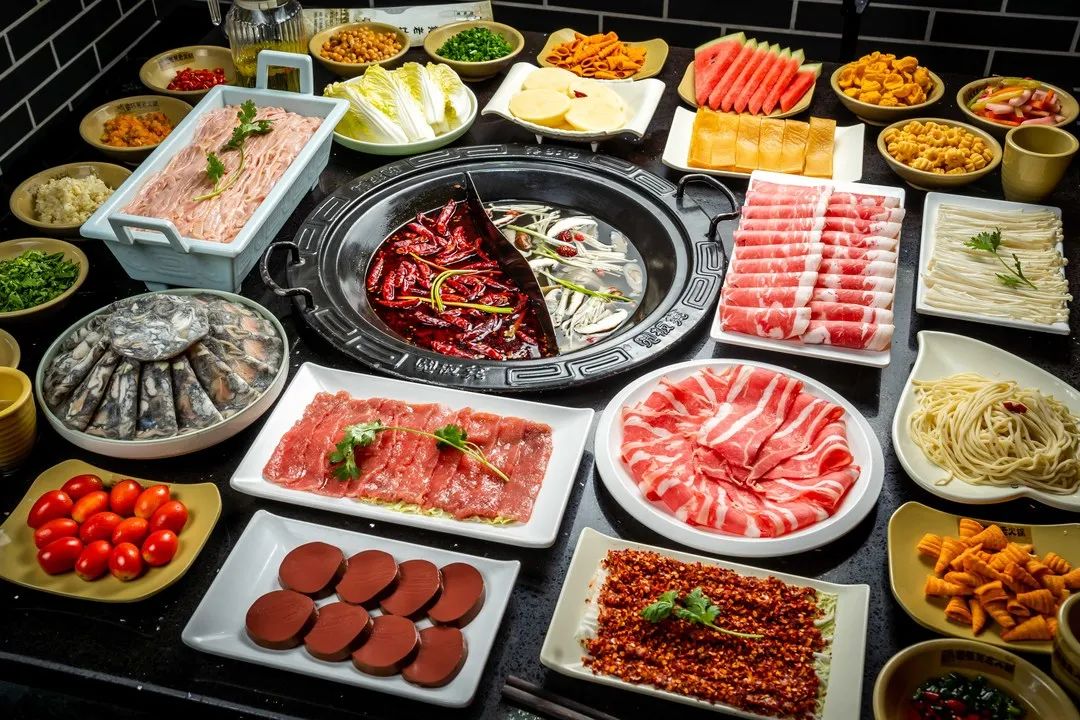
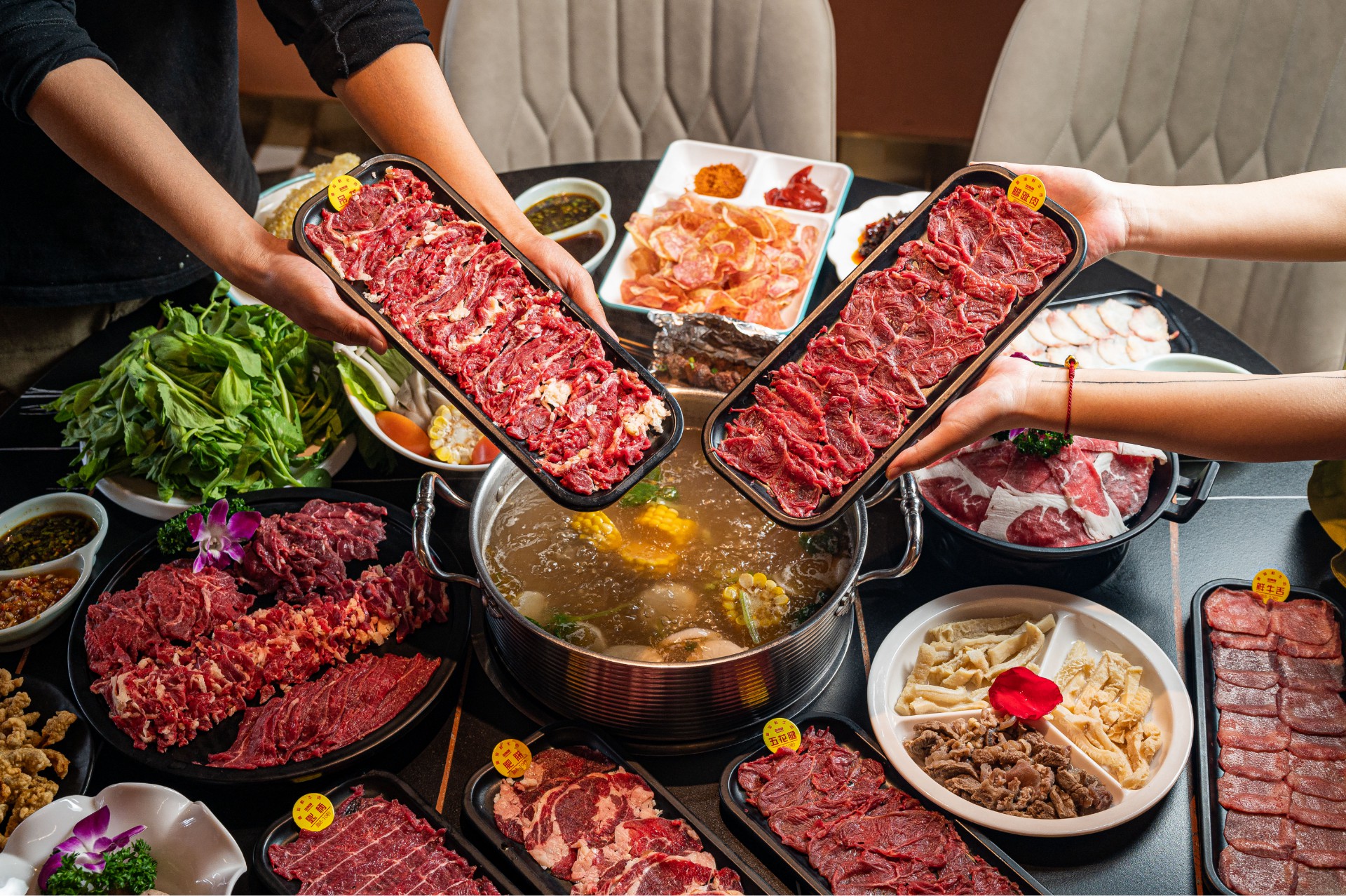
Hotpot is a cuisine that originates from ancient Chinese food culture, a dining experience that makes people feel warm and happy. Whether it's a cold winter day or a hot summer day, hot pot can make us feel the warmth and comfort of flavor. Dating back thousands of years, hot pot began as a rough-and-tumble picnic and evolved over time into a cultural symbol and social event.
Origin of Hot Pot
The origins of hot pot can be traced back to China before the Qin Dynasty. According to historical records, farmers at that time would use hot pots to cook food in the wild to get nourishment during long journeys. This rough-and-tumble way of eating gradually developed into a cultural practice that became an important part of society at the time. As society developed, hot pot evolved into a more civilized form.
Circulation and Development of Hotpot
The spread and development of hotpot is not limited to China. Since ancient times, hot pot has spread to many countries and regions. Japan's “Ichiban Tear” hotpot, Korea's Korean hotpot, and Thailand's clear soup hotpot are all representatives of hotpot culture. Hot pot in each place has different styles and characteristics, reflecting the local food culture and social customs.
Ingredients and Cooking Style of Hot Pot
The ingredients and cooking style of hot pot are also an important part of its cultural significance. Traditional hot pot ingredients include pork, beef, lamb, chicken, and shrimp, all of which are rich in protein and flavor. In addition to these traditional ingredients, hot pot often uses a variety of fresh vegetables and seafood. The three main ways of cooking hot pot include roasting, pan-frying, and stewing.
Cultural Significance of Hot Pot
The cultural significance of hot pot is not limited to taste and flavor, but is more about emotion and socialization. Hotpot gatherings are often associated with family or friend gatherings, serving as a cultural bridge between family and society. Hotpot is also often featured in various festivals and celebrations, such as the Lunar New Year and Dragon Boat Festival. Each local hotpot gathering has different customs and styles, reflecting the local culture and lifestyle.
Modernization of Hotpot
Modernized hotpot is not just the traditional hotpot, but one that incorporates new types of ingredients and cooking techniques. Modern hot pot often uses a variety of high-temperature cooking equipment and fresh ingredients to create a variety of unique flavors and styles. This modernized hot pot not only allows for a richer and more diverse range of flavors, but it also makes hot pot a more stylish and upscale dining experience.
Various types of hot pot
There are many types of hot pot, each with its own unique style and characteristics:
Hot pot with pot base: this type of hot pot uses a pot base as the main body of ingredients and is often paired with a variety of sliced meats and shrimp.
Clear Soup Hot Pot: This type of hot pot uses clear soup as the base and is often paired with a variety of seafood and vegetables.
Spicy Hot Pot: This type of hot pot uses spicy sauce as the base and is often served with a variety of meats and shrimps.
Vegetarian Hot Pot: This type of hot pot uses vegetarian food as the main ingredient and is often served with a variety of vegetables and mushrooms.
Seafood Hot Pot: This type of hot pot uses seafood as the main ingredient and is often served with a variety of seafood and vegetables.
Health Benefits of Hot Pot
Hot pot has many health benefits including:
1.High protein: the ingredients in hot pot are high in protein and fulfill the needs of our body.
2.Multivitamin: the vegetables and seafood in hotpot are a rich source of multivitamins.
3.Low calorie: the ingredients of hot pot have low calorie which can help us to lose weight.
4.Immune-boosting: the multivitamins and minerals in hotpot can help us boost our immune system.
 Info@xtongfood.com
 +86 13858575598
 Tongjiang,Bazhong,Sichuan China
Copyright © 2024 XTONG Co.,Ltd. All Right Reserved. Designed & SEO by hoogege.com.cn Sitemap | XML
Welcome to text me on WhatsApp or send me an email to info@xintongfood.com

 HOME
HOME PRODUCTS
 ABOUT US
 BLOG
BLOG CONTACT US